Свадебные букеты in 2024: what's changed and what works
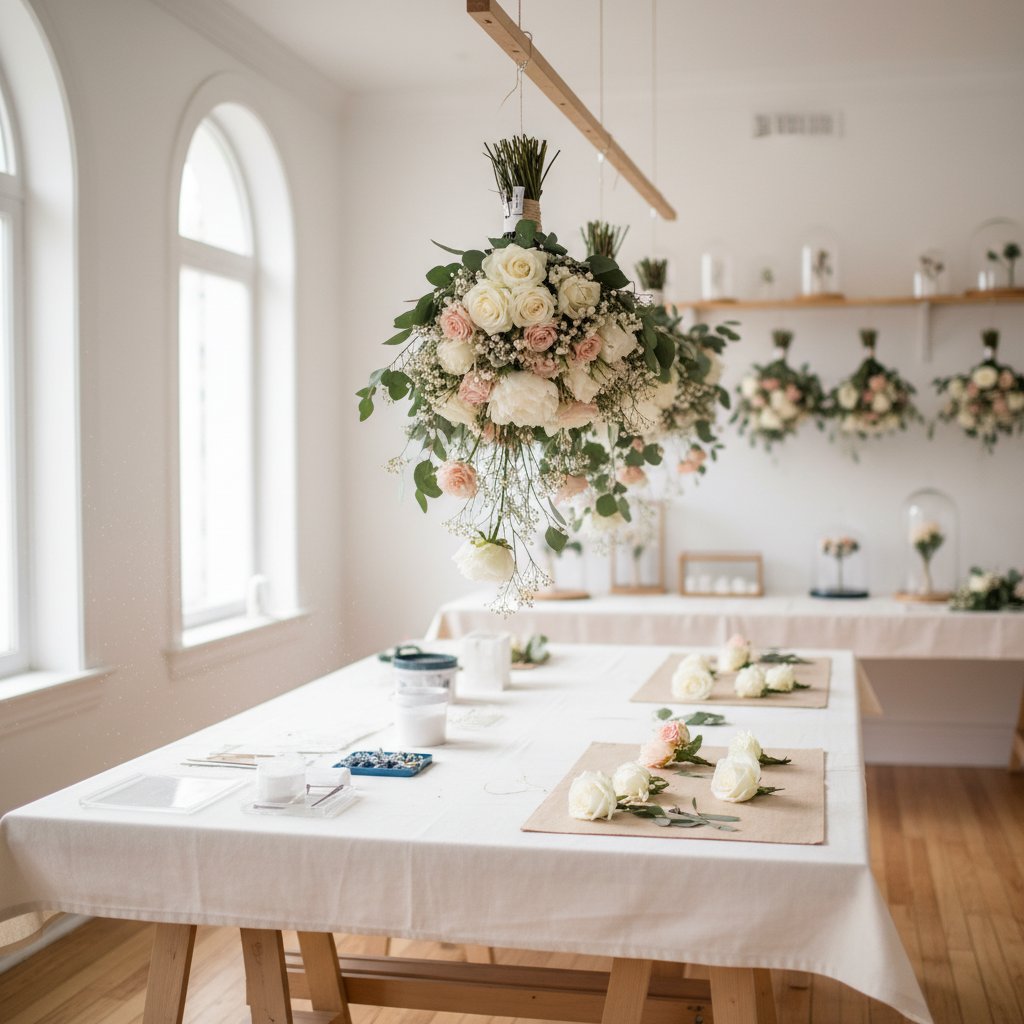
Wedding bouquets have undergone a serious glow-up this year. Gone are the days when every bride clutched an identical mass of white roses. The 2024 bridal scene is messier, more personal, and honestly? Way more interesting. Here's what's actually happening in the world of bridal florals right now.
1. Asymmetry Is the New Symmetry
Perfect, round bouquets have officially left the chat. The trending look is deliberately unbalanced—think flowers cascading to one side, stems of varying lengths, and an overall "I just picked this from a secret garden" vibe. Florists are creating arrangements that look like they might fall apart at any second, but somehow hold together beautifully.
This shift means you're seeing lots of trailing elements: jasmine vines, Italian ruscus, or even wild grasses that dangle 12-18 inches below the main cluster. One bride in Brooklyn carried a bouquet where all the flowers leaned dramatically left, anchored by a single King Protea. It photographed like a piece of art.
The practical upside? These asymmetrical designs often cost 15-20% less than traditional rounded bouquets because they use fewer flowers overall. You're paying for the designer's eye rather than sheer volume.
2. Earth Tones Have Dethroned Pastels
Blush pink and baby blue aren't getting the same love they used to. Instead, brides are gravitating toward terracotta, rust, deep burgundy, and burnt orange. We're talking colors that look like they were pulled from a 1970s desert landscape painting.
This palette shift pairs perfectly with outdoor venues and barn settings, but it's also showing up at black-tie city weddings. Chocolate cosmos, café au lait dahlias, and bronze chrysanthemums are having their moment. Even traditionally "spring" flowers like ranunculus are being sourced in these deeper, moodier shades.
According to several high-end florists, requests for white and ivory bouquets dropped by about 40% compared to 2022. Couples want their flowers to feel seasonal and grounded, not like they could belong to any wedding anywhere.
3. Oversized Blooms Are Making Bold Statements
Forget dainty. The hero flowers of 2024 are massive: dinner-plate dahlias, giant peonies, king proteas, and oversized garden roses that look like they've been hit with a growth ray. A single stem can measure 8-10 inches across.
These statement blooms mean you need fewer flowers total. One bride carried just three enormous cafe au lait dahlias with some eucalyptus, and it looked more dramatic than bouquets twice the size. The cost for this approach typically runs $200-350, which is middle-of-the-road for custom work.
The trick is letting these big personalities breathe. Florists are surrounding them with negative space—airy grasses, delicate filler, or even just exposed stems wrapped in silk ribbon.
4. Dried and Fresh Are Living Together
The hybrid bouquet is everywhere. Florists are mixing fresh blooms with dried elements: pampas grass, preserved palm spears, bleached bunny tails, or dried lunaria. It creates texture and dimension you can't get from fresh flowers alone.
This trend started partly out of practicality—dried elements don't wilt during long photo sessions or outdoor ceremonies in July heat. But it's evolved into an aesthetic choice. The contrast between soft, living petals and crispy, architectural dried pieces creates visual tension that photographs incredibly well.
Bonus: you can actually keep parts of your bouquet forever without the freeze-drying expense. Some brides are designing their arrangements so the dried elements can be removed and displayed at home afterward.
5. Foraged and Wild Looks Beat Perfection
The "just picked from a meadow" aesthetic is dominating, even though these bouquets often take more skill to execute than traditional designs. Florists are incorporating unexpected elements: flowering herbs like oregano and dill, unripe berries, seed pods, even vegetables like artichokes.
This movement toward the imperfect means embracing bent stems, flowers at different stages of bloom, and yes, even a few wilted petals. One florist in Portland intentionally includes "past-prime" roses because the unfurling petals add romance and reality.
The wild look works particularly well for micro-weddings and elopements where the couple wants something that feels spontaneous rather than produced. Price-wise, these can range wildly from $150 to $500 depending on whether you're using garden flowers or rare foraged finds.
6. Ribbons Got an Upgrade
The finishing touch matters more than ever. Plain satin ribbons have been replaced by hand-dyed silk in custom colors, velvet ribbons that cost $8-12 per yard, or even vintage textiles and family heirloom fabrics wrapped around stems.
Some brides are skipping ribbon entirely and leaving stems exposed—sometimes wrapped together with just twine or leather cord. This raw approach shows off the natural architecture of the stems and feels very modern.
The ribbon can actually change the entire feel of a bouquet. That same arrangement of roses and ranunculus reads completely different when tied with frayed linen versus burgundy velvet versus nothing at all.
The wedding bouquet landscape has shifted from predictable perfection to intentional imperfection. Whether you're drawn to the drama of oversized blooms or the romance of foraged wildflowers, there's never been more freedom to carry something that actually feels like you. Just remember: the best bouquet is the one you'd want to pick up and hold, not the one that looks good in someone else's Instagram feed.