The real cost of Свадебные букеты: hidden expenses revealed
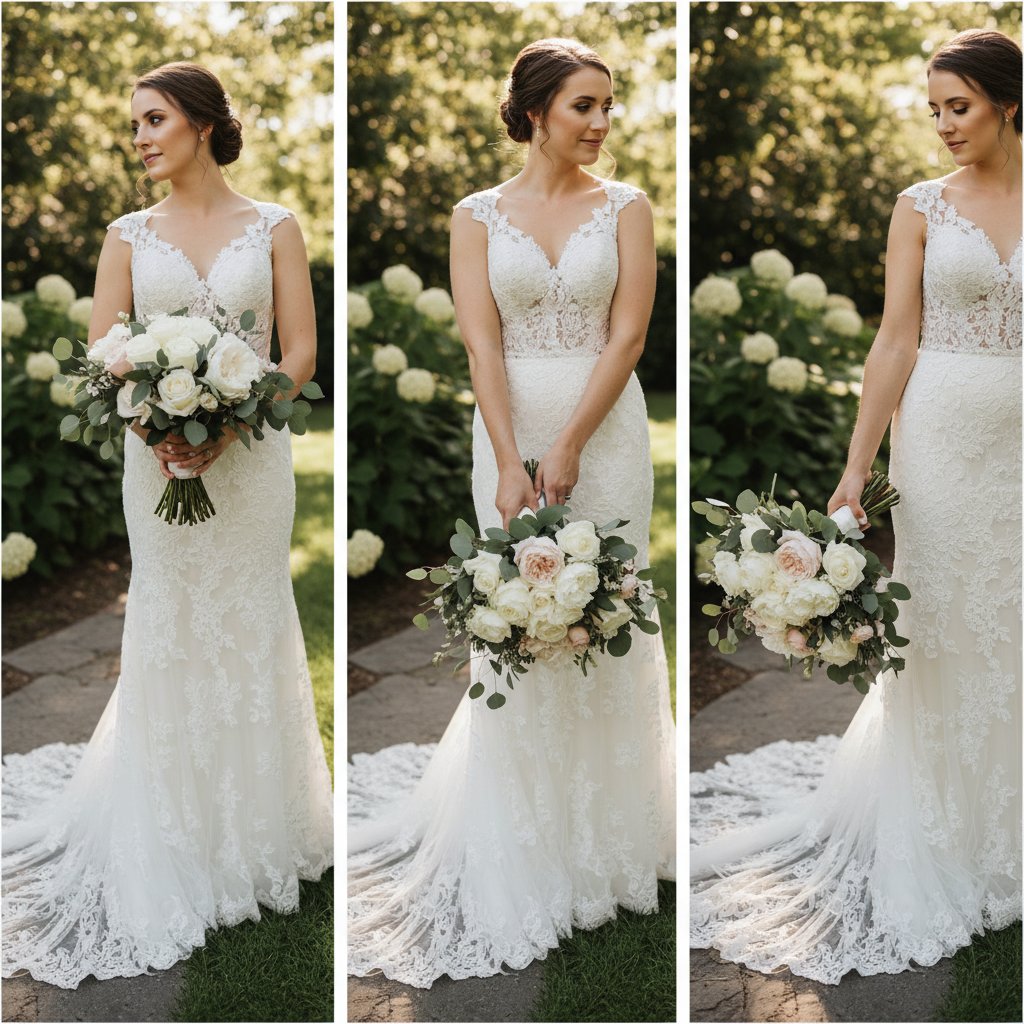
The $400 Bouquet That Actually Cost $847
Sarah thought she'd nailed her wedding budget. She'd allocated $400 for her bridal bouquet—a generous amount, she figured, for what was essentially flowers tied together with ribbon. Fast forward to three weeks before her big day, and she was staring at an invoice for $847. No, the florist hadn't scammed her. She'd just discovered what every bride eventually learns: wedding bouquets come with a price tag that extends far beyond the petals.
The wedding flower industry operates in a fascinating gray area where costs multiply like rabbits. You think you're buying roses and peonies, but you're actually paying for design time, conditioning fees, delivery windows, and about seven other line items that never crossed your mind during that initial Pinterest browsing session.
Breaking Down the Real Numbers
Let's pull back the curtain on where your money actually goes. The flowers themselves? They're usually just 30-40% of your final bill. Yeah, you read that right.
The Obvious Costs (That Still Shock People)
Premium blooms during peak season will run you $8-15 per stem for roses, $12-25 for peonies, and don't even get me started on garden roses at $18-30 each. A typical bridal bouquet uses 25-35 stems. Do the math, and you're already looking at $300-500 just in raw materials.
But here's where it gets interesting.
The Sneaky Expenses Nobody Mentions
Consultation fees: Many florists charge $75-150 just to sit down and discuss your vision. Some apply this to your final order. Others don't.
Design and labor: Creating a cascading bouquet isn't like arranging supermarket flowers in a vase. Expect $100-200 in labor charges. That hand-tied, "effortless" look? It took someone 45 minutes to wire each stem individually.
Flower conditioning: Your blooms arrive 2-3 days early and need babysitting. Florists charge $50-100 for the climate-controlled storage and processing that keeps them from wilting before you walk down the aisle.
Delivery and setup: Here's a fun one. Delivering flowers to a venue at exactly 9:47 AM on a Saturday requires a dedicated delivery person who can't take other jobs that morning. That's $75-200, depending on distance and timing requirements.
The Timeline Tax
Want your bouquet delivered four hours before the ceremony instead of two? Add $50. Need it to arrive at your hotel room instead of the venue? Another $40. Changed your mind about the ribbon color with five days to go? Rush order fees start at $100.
According to The Wedding Report, couples spend an average of $2,534 on wedding flowers total, with bridal bouquets representing roughly 15-20% of that budget. But averages lie. In major cities, bridal bouquets alone regularly hit $500-800.
What Florists Wish You Knew
"People see a bouquet and think we're marking up flowers by 300%," says Maria Chen, a wedding florist in Portland with twelve years of experience. "They don't see the three hours of prep work, the flowers we had to toss because they didn't open properly, or the liability insurance we carry. Last year, a bride's sister had an allergic reaction to lilies. Guess who got sued?"
Insurance, licensing, and overhead typically add 20-25% to your final bill. That charming flower shop in the cute neighborhood? Their rent is probably $4,000 monthly.
The Preservation Trap
Here's an expense that hits after the wedding: bouquet preservation. Companies charge $150-500 to freeze-dry or press your bouquet. The emotional appeal is obvious, but that's another cost nobody budgets for initially.
Smart Ways to Control Costs
Choose in-season flowers and watch your costs drop 30-40%. A peony bouquet in June costs half what it does in October.
Simplify your design. Hand-tied rounds cost less than cascading styles because they require fewer labor hours and structural materials.
Be flexible on delivery timing. If your florist can deliver when they're already heading to another venue nearby, you might save $100.
Skip the boutonniere-to-match service. Seriously, nobody notices if the groom's lapel flower is slightly different.
Key Takeaways
- Actual flowers represent only 30-40% of your bouquet's final cost
- Hidden fees (consultation, conditioning, delivery, labor) add $300-400 on average
- Seasonal choices can cut costs by 30-40% without sacrificing beauty
- Design complexity matters more than flower type for labor costs
- Get itemized quotes upfront—vague estimates always creep upward
The wedding flower industry isn't trying to rob you blind. But it operates on margins tighter than you'd think, with perishable inventory and unpredictable demand. Understanding where your money goes transforms you from frustrated bride to informed consumer. And that $847 invoice? It stings less when you know exactly what you're paying for.