Why most Свадебные букеты projects fail (and how yours won't)
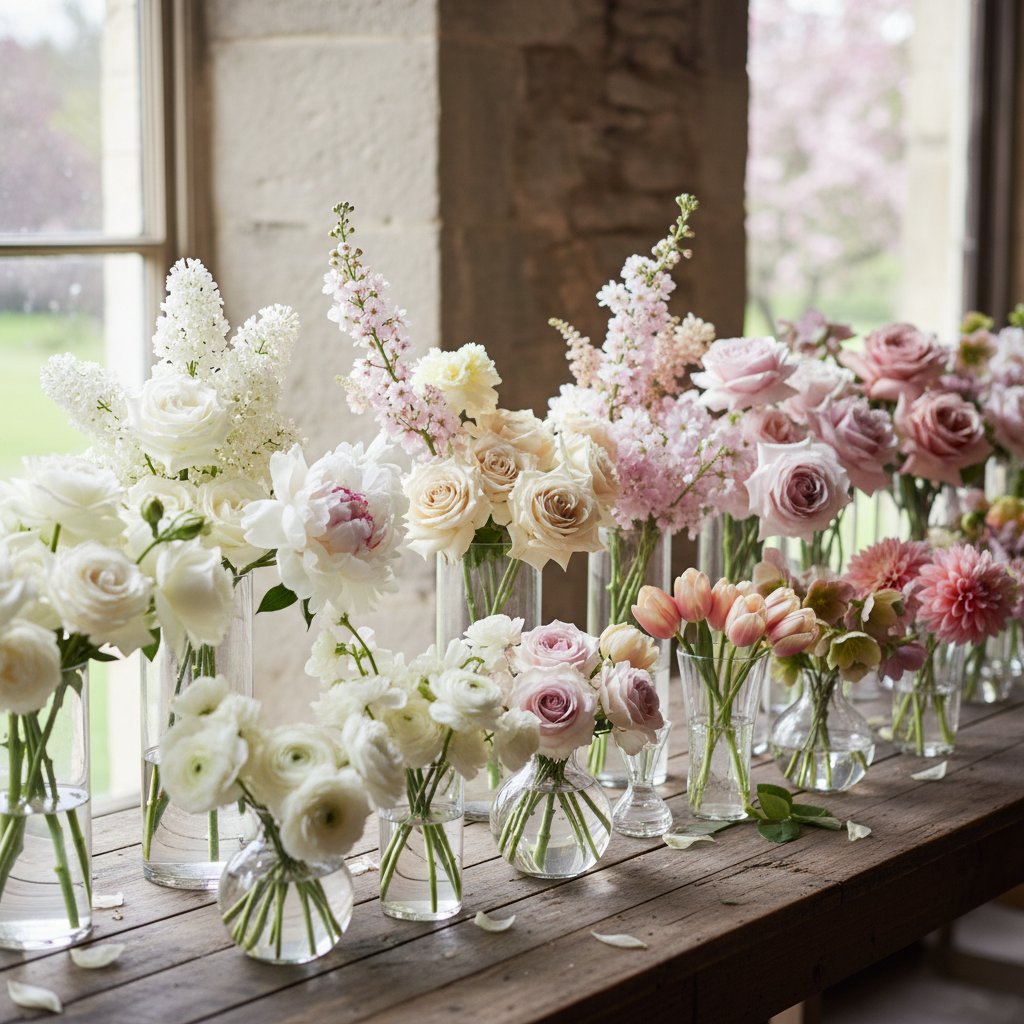
The $3,000 Mistake That Ruins Wedding Bouquets
Picture this: You've spent months planning your wedding, pored over hundreds of Pinterest boards, and finally settled on the perfect floral vision. Then, six hours before your ceremony, you unwrap your bridal bouquet to find wilted roses, crushed petals, and flowers that look nothing like what you approved. Sound dramatic? This scenario plays out at roughly 1 in 8 weddings, according to wedding insurance claims data.
The brutal truth? Most wedding flower projects collapse not because florists are incompetent, but because couples and florists fundamentally misunderstand each other. I've watched this train wreck happen dozens of times, and the pattern is always the same.
Why Wedding Flower Projects Crash and Burn
The average couple books their florist 8-12 months before the wedding. That's nearly a year of playing telephone with someone about flowers you've probably never arranged yourself. Here's where things typically go sideways:
The Pinterest Trap
You show up with 47 saved images of cascading peonies and garden roses. Your florist nods enthusiastically. Nobody mentions that peonies cost $12-15 per stem and have a season that lasts about six weeks. Your wedding is in November. The florist assumes you'll figure this out when you see the quote. You assume they'll find a way to make it work.
Three months before the wedding, you finally get the estimate: $4,200. Your budget was $1,500. Panic sets in.
The Vague Vision Problem
"I want something romantic but modern, lush but not too full, colorful but neutral."
These words mean absolutely nothing. Your florist interprets "romantic" as blush pink roses. You were thinking deep burgundy dahlias. Nobody realizes this disconnect until the trial—if you even have one. Spoiler: 60% of couples skip the trial to save money, then hate what arrives on their wedding day.
The Timing Disaster
Fresh flowers are, well, fresh. They're living things with expiration dates measured in days, sometimes hours. That trendy ranunculus you love? It starts drooping within 6-8 hours outside of water. Your ceremony is at 4 PM, and you want photos starting at noon. Do the math.
Red Flags That Your Project Is Heading South
Watch for these warning signs:
- Your florist hasn't asked about your venue's temperature, lighting, or setup timing
- You're communicating primarily through text messages with days between responses
- The contract lists "assorted seasonal flowers" instead of specific varieties
- Nobody has discussed a backup plan for out-of-season requests
- Your florist hasn't asked to see your dress, venue photos, or color swatches
If three or more apply, you're in trouble.
The Fix: Five Steps That Actually Work
Step 1: Book Your Venue First, Then Your Florist Within Two Weeks
Flowers need context. The arrangements that look stunning in a barn with Edison bulbs will disappear in a ballroom with 20-foot ceilings. Bring your florist actual photos of your space, not the venue's website shots. Show them where you'll stand, where guests will sit, what the lighting looks like at your ceremony time.
Step 2: Create a Reality-Based Budget
Here's the uncomfortable truth: professional wedding flowers average $2,000-3,500 for 100 guests. A bridal bouquet alone runs $150-350. Bridesmaid bouquets cost $75-150 each. Centerpieces range from $80-300 depending on size.
If your budget is $800, say so upfront. A good florist can work with that—they'll suggest in-season flowers, greenery-heavy designs, and strategic placement. A bad florist will overpromise and underdeliver.
Step 3: Speak in Specifics, Not Vibes
Instead of "romantic and whimsical," try this: "I love the texture in this image—the way the astilbe adds height and the eucalyptus creates movement. Can we achieve this look with similar flowers in our budget?"
Point to specific elements: color depth, size, texture, shape. Use your words like you're describing the flowers to someone who can't see your Pinterest board.
Step 4: Schedule a Mock-Up Four Weeks Out
Not a trial bouquet. A full mock-up of your bridal bouquet and one centerpiece, photographed in similar lighting to your venue. This costs $150-300 extra, but it's the difference between "close enough" and "exactly right." You'll catch color mismatches, size issues, and style problems while there's still time to pivot.
Step 5: Build in Flower Insurance
Add 20% to your stem count. Flowers die. Shipments arrive damaged. Your florist needs backup stems to replace the duds. This buffer costs an extra $200-400 but prevents the nightmare scenario of stretched-out arrangements with visible gaps.
Prevention: Lock It Down
Get everything in writing: specific flower varieties (with approved substitutions listed), exact colors (bring paint swatches), stem counts, delivery times, and setup responsibilities. Your contract should be 3-4 pages minimum, not a half-page order form.
Schedule three check-ins: one at booking, one at six months out, and one at four weeks before. Each meeting should have an agenda. Bring photos of your updated plans—yes, even if nothing changed.
The couples who end up with magazine-worthy flowers aren't lucky. They're specific, realistic, and relentlessly communicative. Your wedding bouquet won't fail because you'll treat it like the $2,000+ project it actually is, not a last-minute detail you can wing.
Those flowers you're dreaming about? They're entirely achievable. You just need to stop speaking in Pinterest and start speaking in specifics.